
Search
The Passion of Jesus – Source of Lenten Power
-
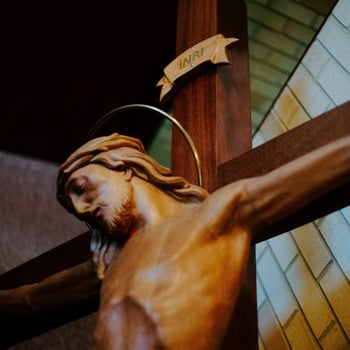 February 17, 2026When the Season of Lent comes around, we think about what we will do to make this time a holy and fruitful one. It is great to have a plan regarding what we will “give up,” what sacrifice we will make, what changes we will make in our daily life to draw us closer to Our Lord. I believe that we should also consider what to read and what the source of our meditation will be that will lead us into a more profound prayer of union with Jesus. I have a few suggestions.
First, we should turn to the Passion narratives found in the Gospels, and especially the one found in St. John’s Gospel that is read in church every Good Friday. Why is this important? Because it tells us the way salvation comes to us and manifests the unconditional love that God has to offer. God Himself becomes one of us in the Incarnation of the Eternal Word, Jesus Christ, born of the Virgin Mary. He then takes Himself, Body, Blood, Soul, and Divinity, to suffer and die in reparation for the sins of the whole world on the altar of the Cross. During Lent, we must contemplate the great act of love the Passion of Jesus is. We see that Jesus invites each one of us to enter into the great mystery of His suffering and death so that we may glimpse the amazing beauty of His self-sacrificing love. We read the Passion account as a means of stepping into this mystery of God’s love for us.
Second, we look at our own life and the lives of other people to recognize the suffering that enters our human existence and into the lives of each of us in his or her own way. As we contemplate the suffering that touches everyone’s life, we question why it happens, and what its purpose is. In faith, we realize that it is only in the suffering of Jesus in His Passion and Death that we can find meaning in our own suffering. A wonderful document for us to read that will provide some amazing insights into the purpose of our suffering is Pope St. John Paul II’s Apostolic Letter Salvifici Doloris (On the Meaning of Human Suffering). The Holy Father explores the Christian meaning of human suffering as a path to salvation, spiritual maturity, and union with Christ’s Passion.
Third, we come to understand that our suffering in union with the Passion and Death of Jesus places tremendous power in our hands. We have the ability to offer our own suffering and pain, united with the Passion and Death of Our Lord, in reparation for our sins and the sins of others. We also possess the capacity to heal others and ask God to pour His grace upon so many who need His love and mercy. Through our suffering united with Jesus’ Passion, we become instruments of consolation and peace for the world. We have the ability to heal the world from the evil of abortion, from the violence done to women who do not choose life for their children, from the evil of human trafficking, from the violence of war, and from the destruction of marriage and family life. By the merits of Jesus’ shedding of His Precious Bood in the Passion, we can become channels of healing, peace, mercy and love in the lives of others.
As we begin our Lenten season, let us go to the very source of salvation and reparation, to the Passion and Death of Jesus made present every time the Mass is celebrated. Let us be amazed at the power God has placed in our hearts and our hands!
Most Reverend William J. Waltersheid
Auxiliary Bishop of Pittsburgh